Timeless Botanicals: The Vintage Flowers Vol. 28 Collection
There is a specific kind of visual storytelling that only vintage textures can provide. When you combine the delicate beauty of botanical illustration with the rugged character of aged paper, you get something that feels genuinely authentic. The Vintage Flowers Vol. 28 | Collection captures this essence perfectly. It is not just a set of generic floral patterns; it is a curated selection of ten distinct designs that bridge the gap between elegance and grit. For designers, crafters, and content creators, this collection offers a design asset that feels like it was pulled directly from a Victorian scrapbook or a steampunk workshop.
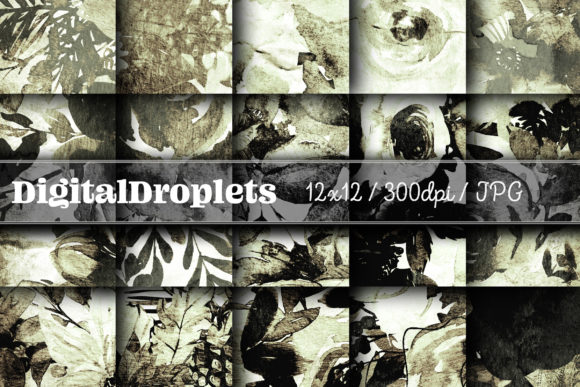
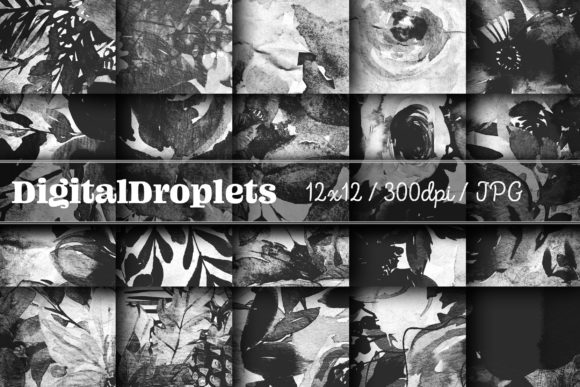
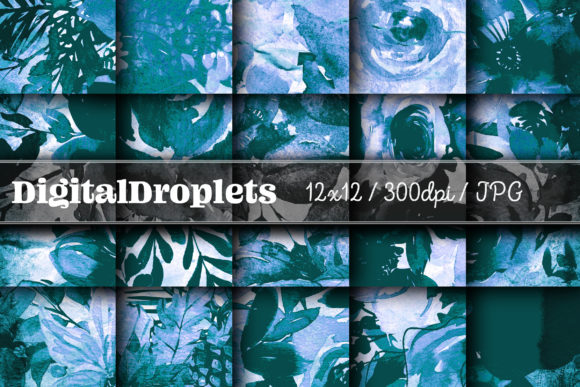
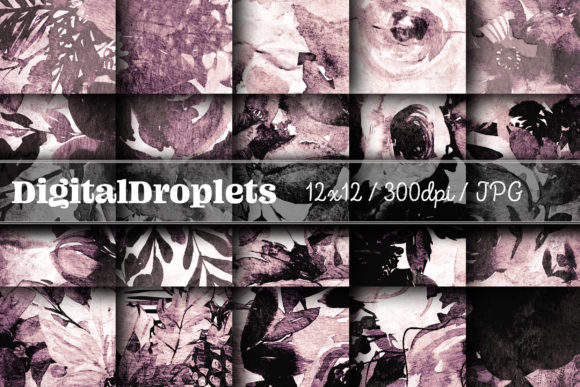
This set is built on a foundation of high-resolution textures. You are not getting flat, digital-looking graphics. Instead, each page in the Vintage Flowers Vol. 28 | Collection features a unique floral arrangement overlaid on what looks like genuine antique paper. The color palettes lean toward muted earth tones, sepia, and dusty botanicals, giving the set a vintage and slightly gothic personality. It strikes a balance that is hard to find: it feels old without being damaged, and detailed without being cluttered. This makes it an incredibly versatile creative font of visual assets for a wide range of applications.
The Aesthetic: Gothic, Grungy, and Botanical
The defining characteristic of this collection is its texture. In modern web design and packaging design, flat colors often feel sterile. To create an emotional connection with an audience, you need depth. The Vintage Flowers Vol. 28 | Collection provides that depth through layers of simulated wear and tear. The "grungy" aspect comes from subtle stains, creases, and ink bleeds that suggest a history behind the image. This texture does the heavy lifting for your visual hierarchy; it grounds your content in a reality that feels tactile.
However, the "floral" element keeps it from becoming too dark or masculine. The botanical illustrations are intricate and classic, reminiscent of 19th-century scientific drawings. This contrast is where the magic happens for brand identity. If you are building a brand that values heritage, craftsmanship, or a bohemian aesthetic, these papers provide an immediate visual shorthand. They tell your audience that you appreciate the past and understand the importance of detail.
Strategic Applications for Modern Creators
Understanding where to use a premium font or a high-quality texture set is just as important as the asset itself. The Vintage Flowers Vol. 28 | Collection is designed to be a workhorse for editorial design and physical crafting. Here is how different professionals can leverage these assets:
- Junk Journaling and Scrapbooking: This is the most natural fit. The 12x12 format is standard for scrapbooks, and the varied patterns allow you to create distinct pages without visual repetition. They work beautifully as background layers for photos or as focal points in a collage.
- Physical Product Design: Think beyond the screen. These textures are ideal for creating custom washi tape, envelope liners, or gift wrap. If you sell physical goods, using these patterns for packaging inserts adds a layer of perceived value that plain paper cannot match.
- Digital Marketing: In the realm of social media graphics, standing out is difficult. These textures work exceptionally well as backgrounds for quotes, announcements, or blog headers. They soften the digital experience and make the content feel more "human."
- Home Decor and Wall Art: Because the files are high-resolution (300dpi), they can be printed at large scales without losing quality. Framing individual sheets or using them as part of a larger mixed-media art piece is a great way to utilize the vintage aesthetic.
Design Principles: Texture as a Tool
When working with a display asset like the Vintage Flowers Vol. 28 | Collection, it is crucial to consider readability and visual hierarchy. Because the patterns are detailed, they are "busy" by nature. If you place complex typography over them, the text can become illegible.
A practical approach is to use these papers as accent elements rather than full-page backgrounds for text-heavy projects. For example, in a brochure design, use the vintage paper for the cover or as a sidebar texture, while keeping the main body text on a clean, white background. This creates a font pairing strategy of sorts—not just for typefaces, but for textures. You are pairing "loud" texture with "quiet" space to let the content breathe.
Furthermore, consider the color grading of your other elements. If you are overlaying a logo or typography, ensure the colors complement the sepia and muted tones of the collection. Harsh, neon digital colors will clash with the organic feel of the paper. Instead, opt for deep burgundies, forest greens, charcoal greys, or cream whites. This ensures that the brand identity remains cohesive and professional.
Integrating Assets into Your Workflow
Efficiency is key for busy designers and entrepreneurs. Having a library of ready-to-use textures like the Vintage Flowers Vol. 28 | Collection speeds up the creative process significantly. Instead of spending hours trying to distress a digital paper in Photoshop, you have ten distinct, print-ready options immediately available.
It is also worth noting the versatility of the set for commercial font projects or business branding. While this is a paper set, its utility mimics that of a high-quality typeface in terms of importance. Just as a serif font might convey tradition, these textures convey atmosphere. Use them to create mockups for your clients. Show them how their logo looks on a textured, premium background rather than a blank white canvas. This helps the client visualize the "vibe" of their brand in a real-world context.
Ultimately, the Vintage Flowers Vol. 28 | Collection is more than just digital paper; it is a mood setter. It is a tool for graphic designers, crafters, and marketers who want to inject a sense of history and artistry into their work. By using these assets thoughtfully, you can transform a standard project into something that feels timeless and tactile.